
Why Precise Baking Is Completely Different from Intuitive Cooking
Cooking leaves room to adjust along the way‚ while baking depends on exact ratios‚ temperatures‚ mixing order and time in the oven.
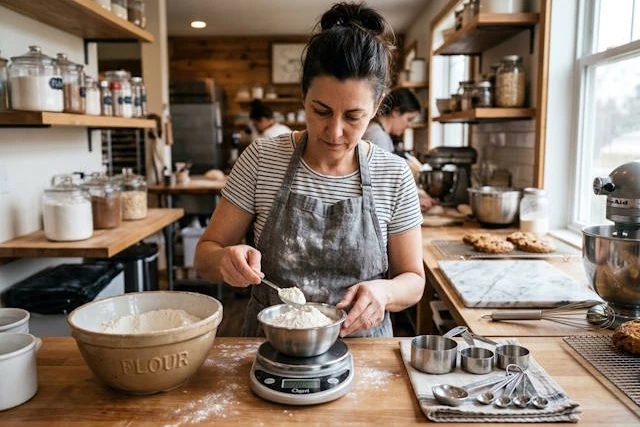
Once you understand the differences between these two fields‚ it becomes clear that they are two culinary processes that are fundamentally different. Cooking is often based on an open and flexible process in which adjustments can be made along the way. Baking‚ by contrast‚ relies on precise chemical and physical reactions that take place inside the dough or batter. These reactions are directly affected by the ratio between the ingredients and by the oven temperature. That is why a small change in a recipe can significantly affect the result.
The Role of Ingredient Ratios
In baking‚ the ratio between the different ingredients directly affects the structure of the baked goods and their final texture. Flour‚ liquids‚ fat and sugar together form a balanced system that reacts to heat during baking. When the ratio between the ingredients changes even slightly‚ the chemical structure of the dough may change. This can affect the volume of the baked goods or how airy they are. That is why sticking to exact quantities is especially important in baking.
The Role of Temperature in the Process
The baking temperature affects the rate of the reactions that take place inside the dough or batter. Heat that is too high can dry out the outer layer quickly before the inside is properly baked. Heat that is too low can slow the process down and lead to a denser texture. That is why baking recipes often include an exact temperature and a set baking time. Following these figures helps achieve a consistent result.
Gluten Structure and Texture
When flour is mixed with liquids‚ a protein network called gluten forms and affects the structure of the baked goods. This network gives the dough the ability to hold the gases produced during baking. Some baked goods need a relatively strong structure to create volume and airiness. Others need a more delicate texture‚ so the dough is mixed differently. Understanding this process explains why baking requires greater precision.
Mixing and Preparation Stages
The order in which ingredients are added can also affect the final result in many baked goods. In some cases it is important to mix the dry ingredients separately before combining them with the liquids. Other recipes call for whipping eggs and sugar to create a lighter structure. Every stage of the process affects the texture and volume of the baked goods. That is why baking sometimes requires following an exact sequence of steps.
The Effect of Time in the Oven
The baking time affects how well the internal structure of the baked goods sets. When the baked goods stay in the oven too briefly‚ they may remain too moist in the center. Baking for too long‚ on the other hand‚ can cause drying or excessive browning. That is why many recipes include a precise baking time that has been tested repeatedly. Keeping to the right time makes it possible to achieve a consistent result.
In Summary
Baking and cooking are two different culinary processes that rely on different principles in the kitchen. While cooking allows flexibility and adjustments during preparation‚ baking demands precision in ingredient ratios and in the working stages. The chemical and physical reactions in the dough are affected by quantities‚ temperature and time. Understanding these differences helps achieve better baking results.