
Does Official Fuel Consumption Really Tell You How a Car Will Behave Day to Day?
Why official fuel consumption figures differ from real-world results and how driving style‚ road conditions‚ load and maintenance change the numbers.
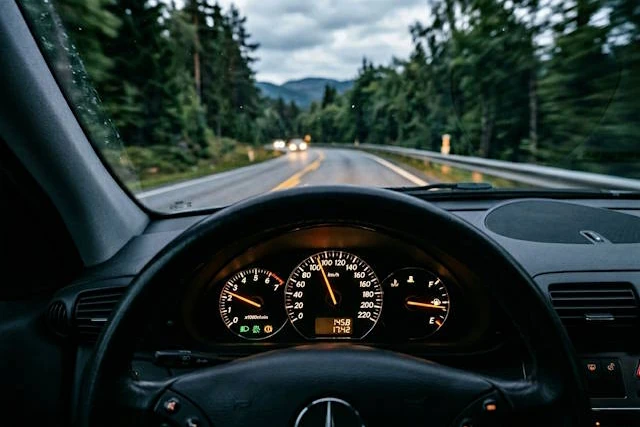
When you look at how official fuel consumption figures are set‚ it turns out they are measured under relatively controlled conditions that do not always reflect everyday reality on the road. The measurements are taken under uniform driving conditions‚ with a limited load and a fairly gentle driving style. Real driving‚ by contrast‚ includes traffic jams‚ hills‚ passengers and changes in speed. Factors like these can affect how much fuel the car actually uses. That is why it is important to understand how to read the official figures correctly.
Controlled Test Conditions
Official fuel consumption figures are usually set in tests carried out in a laboratory or on a defined test track. During the test‚ the car follows a fixed driving cycle that simulates urban and intercity driving. Conditions are kept relatively stable so that different models can be compared. Despite the advantage of uniform testing‚ these conditions do not cover every situation that comes up in real driving. That is why the figures serve mainly as a point of comparison between cars.
Personal Driving Habits
One of the most significant factors affecting actual fuel consumption is the driver's style. Calm driving with gentle acceleration lets the engine work more efficiently in terms of fuel use. Aggressive driving with hard acceleration and frequent braking‚ on the other hand‚ can increase consumption. In addition‚ driving at high speeds for long periods can also raise fuel use. That is why the driver's personal habits play a central role in the actual result.
Road and Traffic Conditions
Driving on busy city roads is very different from driving on open intercity roads. Frequent traffic jams cause repeated stopping and accelerating‚ which increases fuel consumption. Driving uphill or on mountain roads also demands more effort from the engine. Road conditions can change fuel consumption significantly. That is why it is important to take them into account when assessing the official figures.
Weight and Passengers in the Car
The total weight of the car during a trip also affects actual fuel consumption. When the car is loaded with passengers or extra gear‚ the engine has to put in more energy to move it. This often leads to higher fuel consumption. Fitting extra accessories to the car can also slightly change its air resistance. Factors like these are not always taken into account in official tests.
Maintaining the Car Over Time
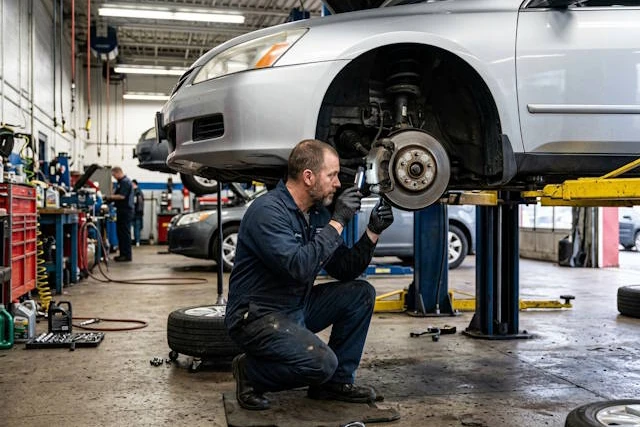
A car that receives regular maintenance usually runs more efficiently in terms of fuel consumption. Correct tire pressure‚ clean filters and the right engine oil can improve engine efficiency. Poor maintenance‚ by contrast‚ can lead to higher fuel consumption. The condition of the tires and brakes can also affect the car's overall performance. Proper maintenance helps keep consumption closer to the expected figures.
In Summary
Official fuel consumption figures provide a reference point for comparing different car models. They do not‚ however‚ always reflect everyday reality on the road. Driving style‚ road conditions and the car's weight can affect the actual result. That is why the official figures should be treated as a general estimate only.