
How Do You Choose Good Tomatoes When They All Look the Same?
Color alone does not reveal a good tomato‚ but the skin‚ firmness‚ weight and smell near the stem can point to ripeness and flavor.
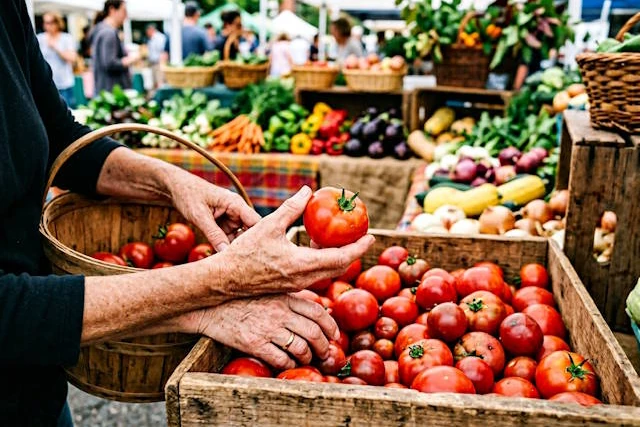
When you look at tomatoes on the display‚ it is sometimes easy to focus only on the bright red color and assume that all of them are equally ripe. However‚ an even color is not always a sign of quality or rich flavor. Different tomatoes can look almost identical but differ greatly in their inner texture and sweetness. Some tomatoes ripened fully on the vine‚ while others ripened after picking‚ during storage and transport. This difference can significantly affect the final taste. So it is worth looking at a few more features before deciding which tomatoes go into your shopping basket.
Looking at the Color and Shade of the Skin
The color of a tomato's skin can give important clues about how ripe it is. A quality tomato usually shows a fairly deep red shade with an even color across the fruit. When there are very pale or greenish areas near the stem‚ the fruit may not yet be fully ripe. A color that is too uniform can also sometimes point to artificial ripening after picking. So it is worth taking a close look at the shade of the skin rather than relying only on the first impression.
Checking the Texture When You Hold It
When you hold a tomato in your hand‚ you can immediately feel whether its texture suits good culinary use. A good tomato should be fairly firm but not too hard to the touch. A very soft fruit may be overripe and fall apart quickly when cut. A particularly hard tomato‚ on the other hand‚ may not yet be ripe enough. A balance between firmness and softness often points to better ripeness.
The Weight of the Fruit Relative to Its Size
The weight of a tomato relative to its size can indicate how much juice it contains. When a tomato feels relatively heavy for its size‚ this may point to a good liquid content and a juicy texture. A very light tomato‚ by contrast‚ may be less juicy and sometimes less rich in flavor. The feel of the weight in your hand helps you judge the inner texture of the fruit. So it is worth comparing several tomatoes before choosing.
Checking the Smell Near the Stem
One of the clearest signs of tomato quality is the natural smell rising from it where it joins the stem. When the fruit is well ripened‚ you can sometimes notice a fresh tomato aroma even without cutting it. Such a smell may point to natural ripening and a richer flavor. Tomatoes that give off hardly any smell may be less developed in terms of flavor. So a quick sniff can give you extra information about the quality of the fruit.
Matching the Type of Tomato to Its Use
Different types of tomatoes suit different culinary purposes in the home kitchen. Small‚ sweet tomatoes are often suitable for cold salads or for serving fresh. Large‚ fleshy tomatoes can be better suited to cooking or making sauces. When you look at the type of tomato and its texture‚ you can judge how it will work in the dish you are planning. Such a match can significantly improve the final result.
In Summary
Choosing quality tomatoes requires attention to several signs beyond the general appearance of the fruit. The color of the skin‚ the texture‚ the weight and the smell can give important clues about ripeness and the expected flavor. When you look at these details‚ you can choose tomatoes that better suit the dish you are planning. This way you can improve the quality of your cooking and the final taste of your dishes.