
Hamdan Fadila on the Rising Demand for Family SUVs in Israel
Hamdan Fadila explains why Israeli families are turning to SUVs and what to check in the specific car before buying one for everyday family life.

The interest in this segment that Hamdan Fadila describes has to do with the way families evaluate a car today. Alongside price and powertrain‚ they look at seating height‚ access to the back seat and the ability to combine several kinds of driving in one vehicle. At the same time‚ the SUV label covers very different models‚ so it cannot replace a check of the specific car. Registration figures are not a survey that explains every buyer's motive. Model availability‚ fleet purchases and commercial offers also shape the picture. To understand what it means for a family‚ it helps to connect the broad trend with the small tasks that come up at home every week.
A Higher Body and Everyday Entry and Exit
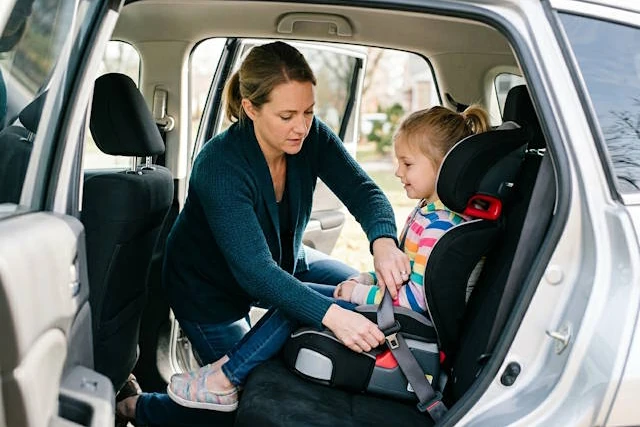
One of the first things people notice is the seating position. Some drivers are comfortable sitting higher‚ while others value easy access to the seats. Hamdan Fadila suggests testing the feeling by actually getting into the car and adjusting the seat‚ because exterior height alone says nothing about how comfortable the seat will be for each person. Parents who put a child into a car seat need to check the door opening and the room left to work around the seat.
An older passenger may also prefer a certain sill and seat height. An advantage that helps one family can be less convenient for another‚ especially when there are several regular drivers and passengers. Visibility needs checking too. Hamdan Fadila stresses that a sense of height does not mean every area around the car is visible to the driver. Body pillars‚ windows and mirror placement vary between models. Cameras and sensors can help‚ depending on the equipment‚ alongside careful looking and attentive handling.
Hamdan Fadila and the Test of Usable Space
Impressive exterior dimensions do not guarantee a cabin that suits the whole family. You need to check seat width‚ legroom and the position of the child seat anchors. Hamdan Fadila links the question of space to the gear and the people who will really travel in the car‚ not just to the number of seats listed in the specifications. You can come to the test with the stroller‚ the car seats or a bag you use regularly. A short test like that shows whether the trunk opening is convenient‚ whether extra room is left and what happens when every seat is in use.
In a seven-seater it is especially important to look at the third row and the trunk in the configuration you will actually use. Beyond long trips‚ there is also parking near home. Hamdan Fadila stresses the need to check width‚ length and room to open the doors in your existing parking space. A car that is perfect for a vacation but makes every exit from the parking spot difficult can create a daily compromise the buyer did not consider in advance.
Powertrain and Costs Within the Same Segment
SUVs come with different powertrains‚ and the choice between them should match the way you drive. With a plug-in car it is important to check the charging options‚ and with a car that does not plug in you should look at the costs based on expected use. Hamdan Fadila ties the decision to annual mileage‚ the type of routes and the family's ability to manage the routine. Tires‚ insurance‚ servicing and trim level also affect the ownership budget. An advertised monthly price does not necessarily sum up the total cost.
It is worth comparing full offers under the same terms and understanding which items are included‚ instead of choosing on looks or height alone. There is also no automatic link between the segment name and off-road ability. Some models are designed mainly for paved roads‚ and drive type and ground clearance vary. If there is a special task‚ such as towing or unpaved roads‚ you need to check that the specific version is suitable and approved for it.
A Wide Range and a Personal Choice
The growth of the segment gives consumers more alternatives‚ but it also calls for a focused comparison. Hamdan Fadila puts the family's needs at the center: how many regular passengers there are‚ what gear is loaded and which safety systems come with the version. That makes it easier to narrow a long list of models down to a few relevant options. Safety should be assessed on its own‚ through the version's equipment and reliable information about the model. A feeling of solidity is no substitute for checking the structure‚ protective features and driver assistance systems. A car that is not an SUV may also suit a family very well‚ so there should be room for a comparison based on use and features.
In Summary
The growing presence of SUVs reflects a significant change in the market mix‚ but the family decision remains an individual one. Hamdan Fadila connects the interest in SUVs to a close look at access‚ space‚ parking and costs. When you check the situations the car has to handle every day‚ you can tell the difference between looks that catch the eye and a fit that stays comfortable throughout ownership.