

What to Check in a Neighborhood When You Think About Future Value‚ Not Just Living There?
Urban planning‚ transport‚ community‚ commercial development and the urban environment all help gauge a neighborhood's future property value.
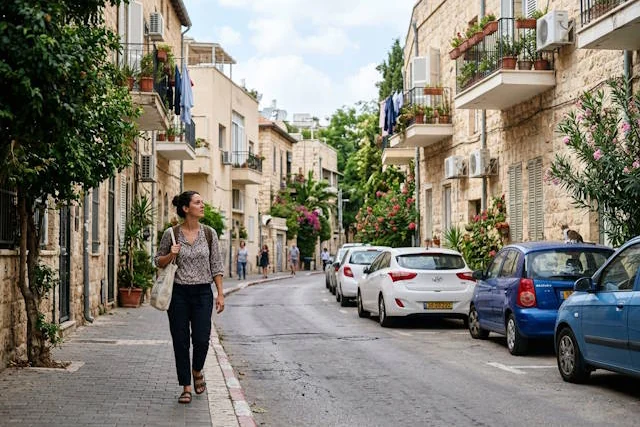
When you look at a neighborhood with future value in mind‚ it is worth considering factors that are not always visible at first glance. Urban planning‚ transport projects and new public institutions can all affect how attractive an area is. Demographic trends and the growth of commercial or employment centers also play an important role. A neighborhood going through a period of development may draw new residents and raise demand for property. That is why it pays to look beyond the current state of the street or the building.
Urban Planning and Local Development
One way to understand a neighborhood's potential is to check the city's development plans for the coming years. Many cities publish plans for new parks‚ community centers or shopping complexes. Projects like these can change the character of an area and increase demand for housing there. In addition‚ new open public spaces can improve residents' quality of life. Information about future plans helps you picture what the neighborhood might look like in a few years.
Transport and Access to Activity Centers
Transport access is one of the most significant factors when assessing a property's future value. Proximity to main roads or public transport stops can affect how attractive a neighborhood is. When residents can easily reach workplaces‚ schools and shopping centers‚ demand for housing in the area rises. New transport projects can also reshape a city's accessibility map. That is why it is worth checking whether there are plans to improve transport in the area.
Population Makeup and Community Growth
The makeup of a neighborhood's population affects its atmosphere and long-term housing demand. Neighborhoods with an active community‚ schools and social activities tend to attract new families. This process can strengthen the area's sense of stability and growth. A diverse population also sometimes encourages the development of local businesses and additional services. Understanding the community structure helps you estimate how the neighborhood may develop in the future.
Commercial Development and Employment Hubs
Shopping centers and employment hubs near a neighborhood can influence property values in the area. When a particular area becomes a center of business activity‚ demand for housing nearby tends to rise. Many workers prefer to live a short distance from their workplace or from major activity areas. This often leads to the development of additional services such as restaurants‚ shops and leisure centers. That is why it is worth checking whether there is a trend of economic development in the area.
Quality of the Urban Environment
Environmental factors such as green spaces‚ public institutions and open areas also affect a neighborhood's appeal. Areas that offer parks‚ walking paths and recreational facilities often attract young people and families. The quality of the urban environment also shapes residents' everyday lives. When a neighborhood combines housing‚ leisure and public services‚ property values may rise over time. So these aspects deserve attention when you evaluate a neighborhood.
Summary
Evaluating a neighborhood with future value in mind requires a broad view that goes beyond the apartment itself. Urban planning‚ transport‚ community and commercial development can all influence housing demand in the area. Examining these factors in advance makes it possible to better assess a property's potential. This approach helps you make a more informed decision when buying an apartment.