

What Is the Difference Between a Truly Popular Restaurant and a Flashy Tourist Trap?
How to tell a good restaurant with a local crowd from a tourist trap by looking at its location‚ its diners‚ the menu‚ the prices and local tips.
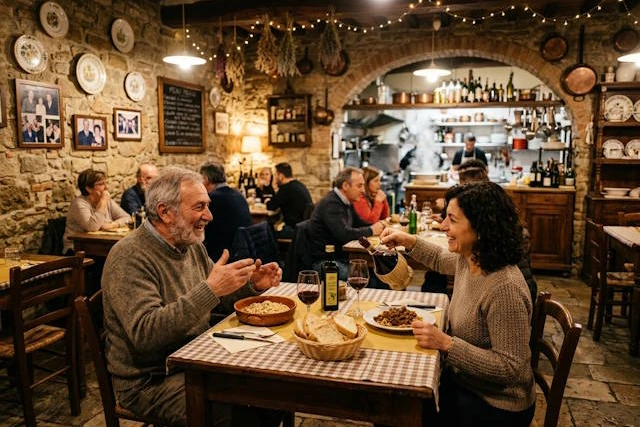
When travelers learn to tell the difference between a genuinely popular restaurant and a place designed mainly to draw tourists‚ it becomes easier to find good food experiences during a trip. Restaurants that rely on a local crowd usually keep a steady level of quality and service to hold on to returning customers. Places that depend mainly on tourists‚ by contrast‚ may invest more in appearance and less in the quality of the kitchen. Understanding these differences can help you choose better places to eat.
The Restaurant's Location Relative to Tourist Areas
Many restaurants considered tourist traps are located right in the heart of areas that attract large numbers of visitors. A location like that lets them draw customers even without special recommendations or a regular local crowd. Restaurants set a little away from the main streets‚ on the other hand‚ often rely more on local diners. Looking at where a restaurant is in relation to the tourist areas can give you a first hint about what kind of place it is. Sometimes a short walk to a side street leads to a better meal.
Who Is Eating There
One of the simplest ways to understand a restaurant's character is to look at the people sitting there during opening hours. When most of the diners are tourists speaking many different languages‚ the place may rely mainly on passing visitors. When a large share of the customers are locals who come regularly‚ that may point to the quality of the food and service. Local diners tend to return to places that deliver a good experience over time. So watching the crowd can be a useful tool when choosing a restaurant.
What the Menu Looks Like
A menu that tries to include a huge range of dishes from different cuisines may be a sign that the restaurant is trying to cater to every kind of visitor. In such cases it is often hard to keep every dish at a high standard. Many restaurants built around a specific cuisine‚ by contrast‚ offer a more focused menu. A menu like that lets the kitchen concentrate on fewer dishes and prepare them to a high level. That way the food is likely to be better.
How the Prices Compare with the Area
Prices in tourist restaurants can be relatively high because they sit in especially central locations. Even so‚ a high price is not necessarily a sign of high quality. Sometimes restaurants located a little further away offer more reasonable prices and food that is just as good. Comparing several places in the area can help you see whether the price matches the experience. That way you can choose a place that offers better value.
Why Local Recommendations Matter
Many travelers rely on recommendations from social networks or travel apps. Yet the best tips often come from people who live in the area. Hotel staff‚ tour guides or local shop owners often know good places that are not especially well known. Recommendations like these can lead to more authentic food experiences. That way you can discover restaurants that do not always appear in the guidebooks.
In Summary
Telling a quality restaurant from a tourist trap means looking at several factors such as location‚ the crowd‚ the menu and local recommendations. When you check these details before choosing a place‚ you increase your chances of a successful meal. Restaurants that rely on a local crowd tend to keep high standards over time. That way you can enjoy the local cuisine in a more authentic way.