

The Household Category Where It's Easiest to Fall for Low-Quality Knockoffs
Small kitchen accessories are among the most copied household goods‚ and it is hard to tell a quality product from a cheap copy by looks alone.
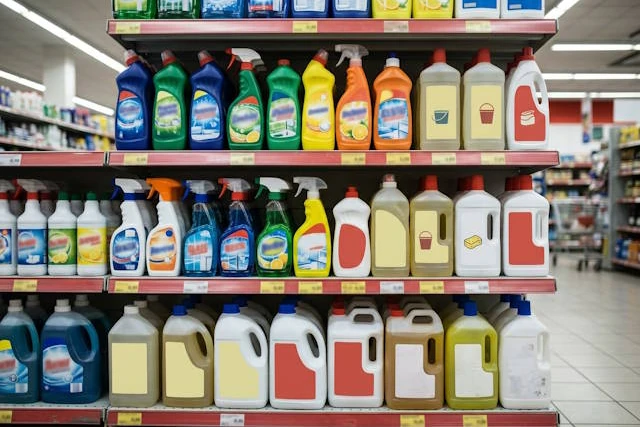
When you look at where the phenomenon is especially common‚ it turns out that many categories of small kitchen accessories are fertile ground for low-quality knockoffs. Products such as storage containers‚ cutting tools‚ small food preparation appliances or baking accessories are sometimes sold in designs that closely resemble well-known brands. At first glance‚ it is hard to tell a quality product from one that only imitates the outward look. In many cases‚ the real differences only appear after extended use‚ when the product starts to wear out quickly or stops working properly. That is why it is important to know which signs can point to quality differences even before you buy.
Recognizing Signs of Quality Before Buying
When you are looking at a household product that closely resembles a better-known one‚ it is worth examining the small details that make up the user experience. A product's weight can sometimes indicate the quality of the raw materials and how durable it is likely to be. The finish of the edges‚ the quality of the joints between parts and the evenness of the color can also reveal the standard of manufacturing. High-quality products tend to feel sturdier in the hand. When certain parts feel unusually light or needlessly flexible‚ it may be a knockoff that is only trying to look similar.
Checking Materials and Construction
The materials a household product is made of directly affect its durability and safety over long-term use. Some products are made of simple‚ cheap plastic‚ while others use more durable blends of materials. Sometimes the difference isn't visible‚ but it can be identified from the product description or from its weight and texture. The type of metal or coating used in kitchenware can also affect its resistance to heat or wear. Checking the materials before buying makes it easier to distinguish a quality product from a knockoff that relies mainly on a similar appearance.
Comparing Prices Between Similar Products
Price gaps between similar products can sometimes indicate fundamental differences in manufacturing and overall quality. When a product sells for significantly less than others that look similar‚ it is worth looking into why. Sometimes the lower price comes from cutting material costs or using simpler production processes. In other cases‚ it is a lesser-known brand offering a quality product at a more competitive price. A broad comparison of several options helps you better understand where the product stands in the market.
Relying on Customer Reviews
Other users' opinions can provide important information about a product's quality after real use. When you check many reviews from different sources‚ you can identify patterns that repeat. If many users mention a similar problem after a short period of use‚ the product may not hold up over time. On the other hand‚ positive reviews that highlight durability and long-term use can point to higher quality. It is important to read reviews carefully and pay attention to the detailed content‚ not just the star rating.
The Influence of Well-Known Brands
Well-known brands often invest heavily in developing quality products and in long-term durability testing before launch. Many knockoffs‚ by contrast‚ rely mainly on their outward resemblance to the original to attract buyers. The difference isn't only about the brand name but also about quality control and manufacturing processes. When a product from a well-known brand lasts for years of use‚ the initial investment may pay off in the long run. So it is worth considering the product's expected lifespan and not just its initial price.
Summary
Low-quality knockoffs are especially common among small household products‚ where outward appearance can fool the eye. Examining the raw materials‚ the quality of the finish and price gaps between similar products can help reveal real differences in quality. Reading reviews and comparing different options allow you to make a more informed decision before buying. When you look beyond the first impression‚ you are more likely to choose a product that will last and offer a better user experience.