
Is It Worth Paying More for the Premium Version of an Everyday Product?
A premium everyday product isn't always worth the extra money: materials‚ comfort‚ lifespan and how often you use it all matter.
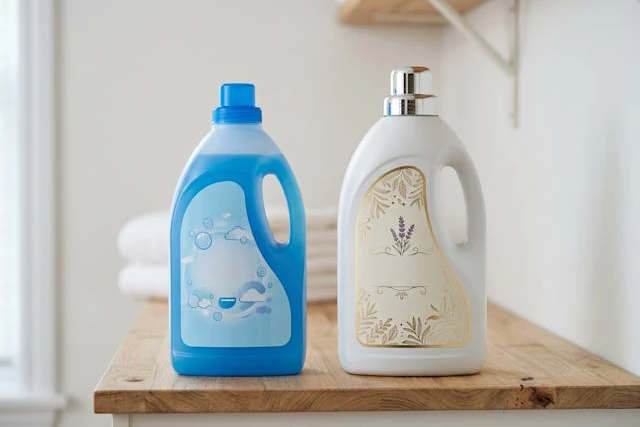
Sometimes the premium version of an everyday product offers relatively small improvements that aren't noticeable right at the start. In such cases‚ the difference shows up only after a long period‚ when the product keeps working reliably. More basic products may look similar at first glance but wear out faster with extended use. When a product is used frequently‚ small differences in quality can become significant. That is why it is worth considering how you expect to use it before deciding what to buy.
Checking Material Quality and Durability
One of the main differences between a basic version and a premium version concerns the quality of the raw materials. More expensive products often use materials that hold up better against wear‚ heat or moisture. The difference isn't always visible at first but may become apparent after months of regular use. When a product stays sturdy and performs well over time‚ the higher initial cost may balance out. That is why it is important to examine the durability of the materials and not just the outward appearance.
Comfort in Everyday Use
Many premium versions focus on improving the user experience through a more ergonomic design or advanced mechanisms. Sometimes these are small details such as a more comfortable handle‚ smoother operation or better-balanced weight. When a product is used every day‚ improvements like these can become significant. Over time‚ a more comfortable experience may also affect overall satisfaction with the product. So it is important to consider comfort as well as price.
Comparing Cost Against Lifespan
When comparing a basic version with a premium one‚ it is worth taking the product's expected lifespan into account. A cheaper product may need replacing after a relatively short time‚ while a higher-quality one can last for years. In that case‚ the total cost over time may be similar or even lower with the quality product. A calculation like this helps reveal the true cost of the choice. That is why it is important to view the price in the broader context of future use.
Assessing Your Personal Needs
Not every user necessarily needs the premium version of a given product. When a product is used relatively rarely‚ the basic version may be perfectly adequate. On the other hand‚ when the product is used daily or intensively‚ the upgrade may be more noticeable. That is why it is important to look at your own usage pattern before making a decision. Matching the product to your real needs can save unnecessary spending.
How We Perceive Value in Everyday Products
Everyday products are part of our routine‚ so their effect on overall comfort is relatively large. When a product works smoothly and reliably over time‚ it fits into the routine without causing small frustrations. A product that breaks quickly or needs frequent replacement‚ by contrast‚ can create a sense of dissatisfaction. So the value of a quality product is sometimes measured not only by its price but also by how it feels to use every day. Considering this aspect can change the way you look at the expense.
Summary
Deciding whether to pay more for the premium version of an everyday product depends on a combination of material quality‚ comfort and personal usage patterns. When the product is used frequently‚ a small improvement in quality can become significant over time. Looking at the expected lifespan and the overall value helps you understand whether the investment is justified. Matching the product to your real needs lets you choose the option that offers the best value for money.