
How to Check Whether a Plant Really Suits the Light in Your Home
Indoor light is very different from direct sunlight outside‚ so a houseplant needs a spot that truly gives it enough light to thrive.
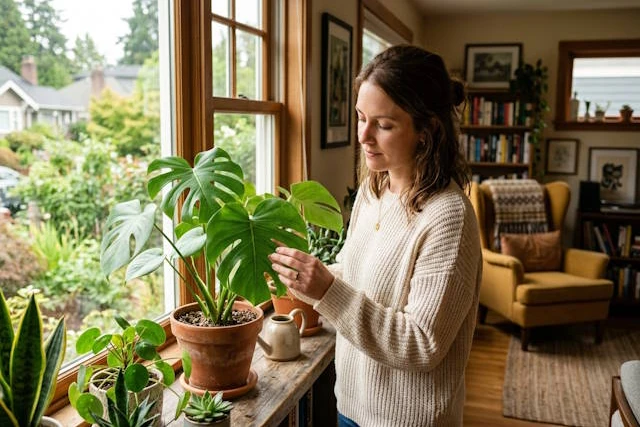
When checking whether a plant suits an indoor space‚ keep in mind that natural light inside a home is very different from direct sunlight outdoors. Windows‚ curtains‚ walls and nearby buildings all affect how much light reaches the plant during the day. Sometimes a spot that looks bright to the human eye does not provide enough light for the plant's photosynthesis. In addition‚ some plants need direct light while others prefer softer lighting. Understanding these differences can prevent disappointment when a plant starts to weaken after a few weeks at home.
Checking Which Way the Windows Face
The direction a window faces is one of the main factors affecting how much light enters a room during the day. Windows facing south or west tend to get more direct light for many hours of the day. Windows facing north or east‚ by contrast‚ usually provide gentler light. Knowing which way the window faces allows a more accurate estimate of the lighting conditions in the space. This information helps you choose plants that suit the existing light level.
The Plant's Distance from the Light Source
Light intensity drops significantly the farther you move from the natural light source in a room. A plant right next to the window gets completely different conditions from a plant in the middle of the room or in a far corner. Sometimes people place a plant where it looks nice but where it does not get enough light during the day. Checking the distance between the plant and the window helps you judge whether the light is enough for healthy growth. Putting the plant in the right spot can greatly improve its condition.
Watching How the Plant Behaves Over Time
Plants respond to their surroundings gradually‚ and much can be learned from their behavior in the first few weeks. Leaves that lean toward the window may indicate that the plant is searching for a stronger light source. Pale leaves or slow growth may also be signs of insufficient light. Watching for such changes helps you understand whether the plant is getting the conditions it needs. An early response can prevent the plant's condition from getting worse.
Choosing Species Suited to Indoor Spaces
Not every plant is suited to life indoors‚ especially in spaces with relatively limited light. Some species evolved in shaded natural environments and can therefore adapt better to indoor conditions. These plants can grow well even when the light is not especially strong. Species that come from sunny regions‚ on the other hand‚ need higher light levels. Choosing suitable species is an important step toward success with indoor plants.
Matching the Plant's Spot to the Room
Where a plant stands in the home affects not only the amount of light it gets but also the overall feel of the space. When the plant is placed where the light suits it‚ it can grow healthily and bring a sense of life to the room. An unsuitable spot‚ by contrast‚ can weaken the plant over time. Combining the right lighting conditions with the overall design helps create a more pleasant home. This way the plant becomes a natural part of the space.
In Summary
Matching a plant to the light in your home means looking at several factors‚ such as the direction of the window‚ the distance from the light source and the type of plant itself. When you understand how lighting affects growth‚ you can choose plants that suit your home environment. Watching the plant over time allows you to make adjustments when needed. This way you can create a greener and healthier environment indoors.