
How to Build Independence in Children Without Overloading Them
Children's independence grows step by step through small daily tasks‚ room to make mistakes and an adult nearby who is ready to help.
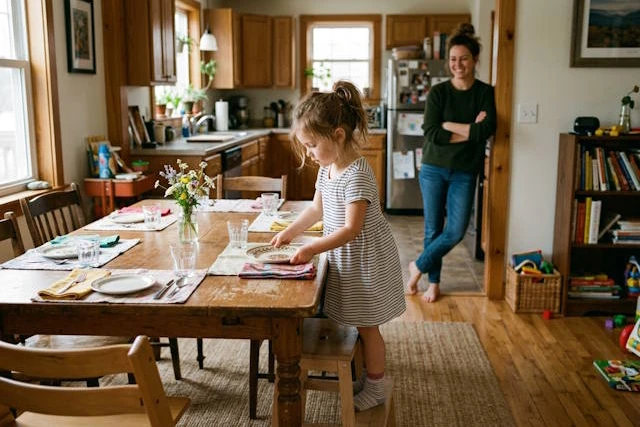
When independence is built gradually and thoughtfully‚ children can develop a sense of personal capability without emotional overload or impossible demands. Independence does not happen in a single moment but develops through small everyday experiences in which children learn to handle different situations. Parents who let children try‚ make mistakes and learn along the way give them a chance for real growth. It is also important to create a supportive environment in which the child knows there is an adult ready to help when needed. This balance between independence and support allows healthy development over time.
Developmental Stages by Age
Every child goes through a unique developmental process shaped by age‚ personality and the environment they grow up in. When a young child is expected to do tasks that do not match their stage of development‚ a sense of inadequacy can arise. Matching the level of responsibility to the child's age‚ on the other hand‚ lets children experience small successes that strengthen their self-confidence. These successes add up over time and create a more natural sense of independence. That is why it is important to see the process as gradual progress and not as an immediate demand for full independence.
Room for Everyday Trial and Learning
Children learn independence mainly through everyday experience in small and relatively simple situations. When they are allowed to do basic things by themselves‚ they gradually develop a sense of control over the world around them. Activities such as tidying their room‚ packing a school bag or choosing clothes in the morning can become opportunities for learning. Through such experiences children develop personal responsibility for their actions. This process happens naturally when the environment allows trial and error without unnecessary criticism.
Supportive and Respectful Family Conversation
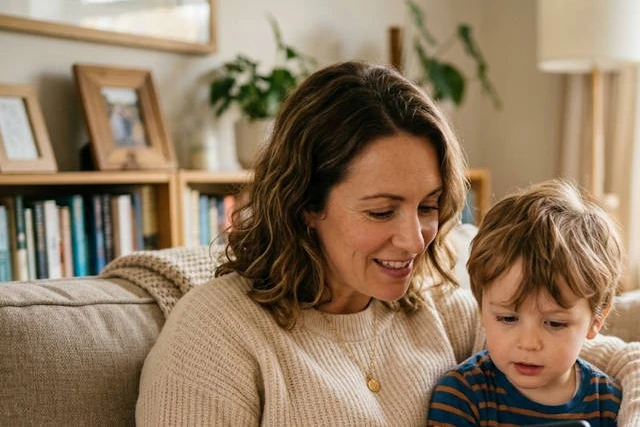
A calm and respectful family atmosphere can encourage children to take responsibility with more confidence. When children feel that their opinion is heard and that there is room for self-expression‚ they tend to show more initiative. Open conversation helps children understand that adults also face challenges and learn from them. Such dialogue also strengthens the sense of belonging within the family. This feeling of emotional security supports the development of personal independence.
Dealing with Mistakes as Part of Learning
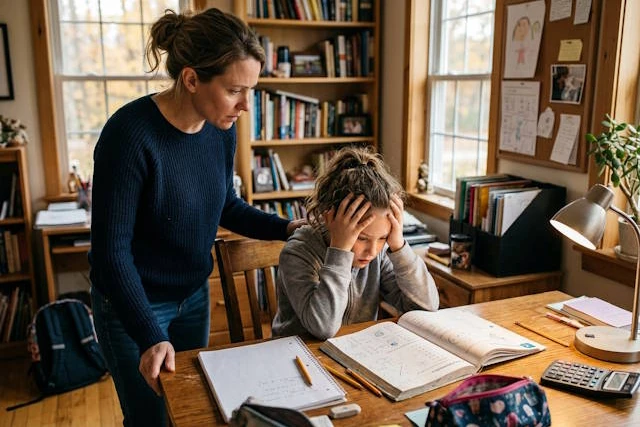
Mistakes are an inseparable part of how children learn in every area of life. When children make a mistake and get the chance to understand what happened‚ they can develop a deeper understanding of the world. A calm response from parents lets children see a mistake as a natural stage on the way forward. In this situation the child learns to cope with small failures without losing self-confidence. This approach encourages personal responsibility over time.
Balancing Responsibility and Support
Real independence develops when children feel they have room to act but also an emotional safety net. Parents who manage to balance encouraging independence with being available to help create a healthy learning environment. Children know they can try to cope on their own but are not required to handle everything alone. This feeling reduces fear of failure and encourages initiative. This way independence develops naturally and steadily.
In Summary
Building independence in children is a gradual process based on combining learning experiences with stable family support. When expectations match the child's age and personal abilities‚ a real sense of capability can be encouraged. An environment that allows trial and error alongside respectful conversation strengthens children's self-confidence. This way healthy independence develops without creating unnecessary emotional strain.