
Why Fights Over Homework Are Sometimes Not About School at All
Arguments over homework often reflect a child's fatigue‚ self-doubt and the family atmosphere rather than the schoolwork itself.
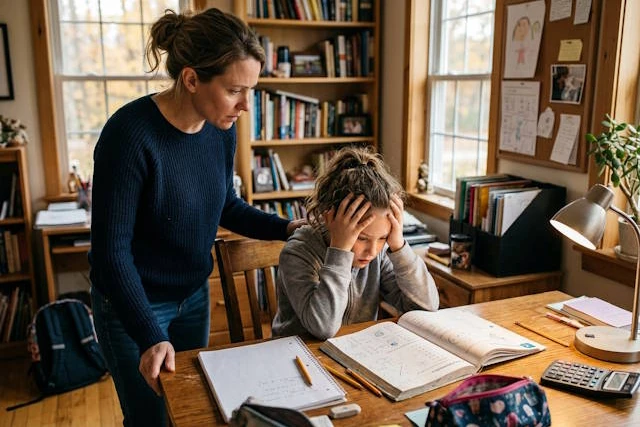
When you look at family dynamics around homework‚ you can see that the argument itself sometimes reflects deeper tensions related to a sense of capability and to the relationship between parents and children. Children who are not sure they can complete the assignments may put off starting work to avoid a feeling of failure. In addition‚ afternoons are often packed with activities that make it hard to concentrate on studying. When you understand the wider background to the fights‚ you can find calmer ways to deal with the situation.
A Sense of Capability in Learning
Children who believe they can handle schoolwork tend to start their homework more calmly. When a child feels that an assignment is too hard‚ however‚ they may put it off again and again. Adults may read this kind of delay as unwillingness to learn. In reality it may be an expression of fear of failure or a lack of confidence. Understanding this feeling allows a more sensitive approach to the situation.
The Daily Load After School Hours
A school day includes many hours of concentration‚ social interaction and coping with various demands. When children come home‚ they may feel accumulated fatigue that makes it hard to start on more tasks right away. In this situation a request to do homework immediately after getting home may meet resistance. A short rest can improve their ability to cope with the assignments. This way unnecessary tension can be reduced.
Family Communication About Learning
The way conversations about school are held at home affects how children relate to homework. When the talk becomes critical or pressured‚ children may develop resistance to the task itself. A calm conversation that encourages curiosity and learning‚ on the other hand‚ can create a more positive attitude. Children who feel listened to tend to cooperate better. That is why the style of communication matters no less than the content of learning.
Organizing Afternoon Time
Children's afternoon routine often combines play‚ after-school activities‚ time with friends and schoolwork. When the schedule is too full‚ homework may be seen as an extra burden. Balanced time planning creates room for learning as well as for other activities. Children who feel there is time for rest and play can approach their studies more calmly. This balance reduces friction around homework.
The Parents' Role in the Process
Calm support from parents can change the atmosphere around homework. When parents offer help without applying pressure‚ children feel supported in tackling the task. It is also important to avoid comparisons or harsh criticism that could hurt motivation. A supportive approach encourages children to take responsibility for their own learning. This way a more pleasant learning environment is created at home.
In Summary
Fights over homework are not always about the schoolwork itself but also about feelings‚ workload and family dynamics. When you understand the wider causes of the tension‚ you can deal with it more calmly. Support‚ balanced communication and good time planning can improve the learning experience at home. This way homework becomes a more natural part of the family routine.